
Forest Bathing: The Japanese Secret to Calm
It has no swimsuit and no water. Shinrin-yoku is simply being in a forest — and science says it quietly rewires your stress response.
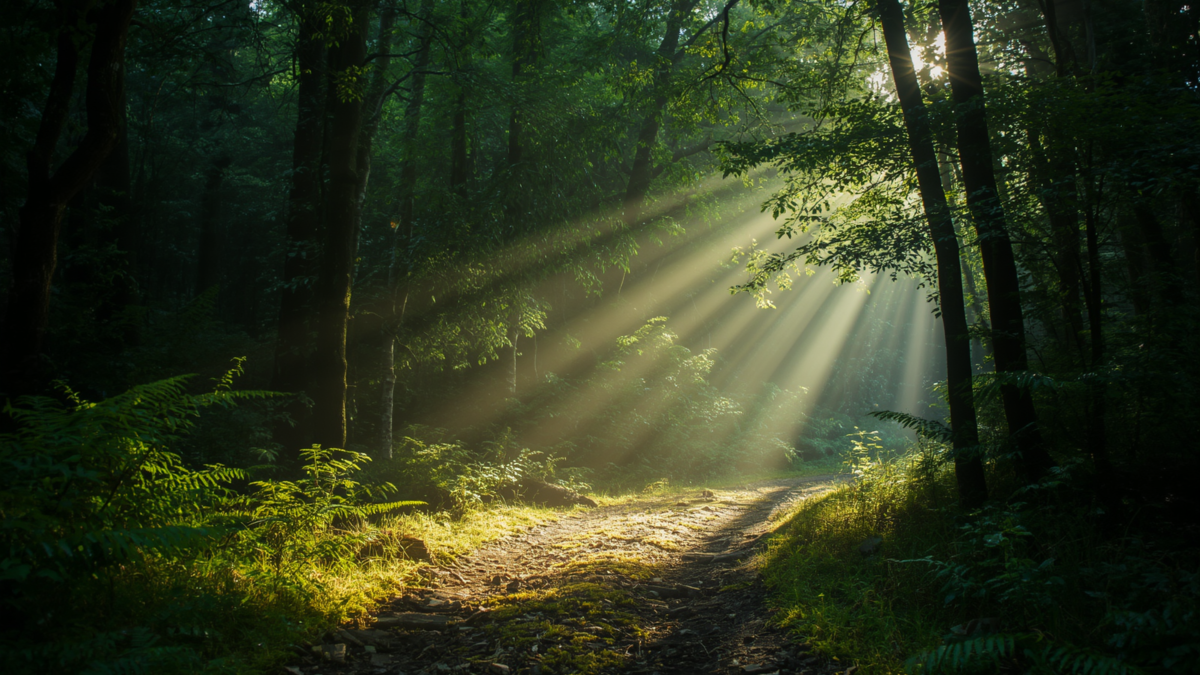
In Japan, doctors prescribe it. Not a pill, not a procedure — a walk. Shinrin-yoku (森林浴) is the practice of slowly immersing yourself in woodland, and it has grown from folk wisdom into measurable medicine.
What the Research Shows
Studies tracking participants before and after time among trees have recorded lower cortisol, reduced blood pressure, and improved mood. The leading theory points to phytoncides — airborne compounds released by trees that appear to boost immune function when we breathe them in.
| Measure | Before | After 2 hrs in forest |
|---|---|---|
| Cortisol (stress) | High | Noticeably lower |
| Heart rate | Baseline | Reduced |
| Reported mood | Neutral | Improved |
The forest does not ask anything of you. That is precisely why it heals.
Dr. Hana Sato, Environmental Psychologist

How to Bathe in a Forest
- Leave the headphones behind. The soundtrack is already playing.
- Walk slower than feels natural. This is not exercise; it is attention.
- Use all five senses.
- Touch the bark.
- Smell the soil.
- Taste the air after rain.
You Don’t Need a Mountain
A neighborhood park, entered with intention, will do. Mark your route as forestbathing and you may notice the same path feels different each visit. The trees haven’t changed — your attention has.
Want a guided session near you?